
Here's the thing nobody talks about
You're using a vibrator and nothing's happening. Or worse, you're feeling pressure but no pleasure. Numbness during sex is wildly common and almost never a sign that you're broken. It's usually a sign that either your nervous system needs a different kind of stimulation or you've been using the wrong tool for your body.
I work with women on this all the time, and the pattern is always the same: they think the problem is them when it's actually about finding the right match between their body's needs and the vibrator's design.
Why clitoral numbness happens in the first place
Your clitoris has about 8,000 nerve endings concentrated in a tiny area. That density is incredible for pleasure, but it's also sensitive to overstimulation and fatigue. Here's what typically causes numbness:
Desensitization from repetitive stimulation. If you've been using the same vibrator at the same intensity for years, your nerve endings adapt. They stop firing. It's called habituation, and it's your nervous system being efficient, not lazy.
Too much pressure without variety. High-intensity vibrators that press hard against sensitive tissue can numb rather than stimulate if you use them for too long. Think of it like holding ice on your skin. After five minutes, it stops feeling cold and starts feeling numb.
Hormonal changes. Oral contraceptives, medication side effects, and shifts in your menstrual cycle all change clitoral sensitivity. The tissue itself can feel less responsive depending on where you are in your cycle.
Nerve compression from position or tension. If you're gripping or clenching hard, you can cut off blood flow to the area. Same with certain positions that put pressure on the nerves.
The good news: numbness is fixable. It just requires a strategic swap.
What makes a vibrator work when you're numb
Three things matter more than you'd think.
Pattern over raw power. Lemon clitoral vibrators and other suction-based toys work brilliantly for numbness because they use rhythmic pulsing instead of constant buzzing. Your nervous system responds better to variety. A lemon vibrator cycles through patterns that keep your nerves engaged rather than fatigued.
Indirect stimulation options. Sometimes direct stimulation is the problem. You need a vibrator that lets you control how much contact the clitoris actually gets. Suction toys naturally create this because you can adjust the seal and pull. It's stimulation you can dial in rather than brute force.
Texture and gentle persistence. The best vibrators for numbness have a soft tip and moderate intensity. You're not looking for something that makes your whole pelvis vibrate. You want something that whispers to those nerves, not shouts.
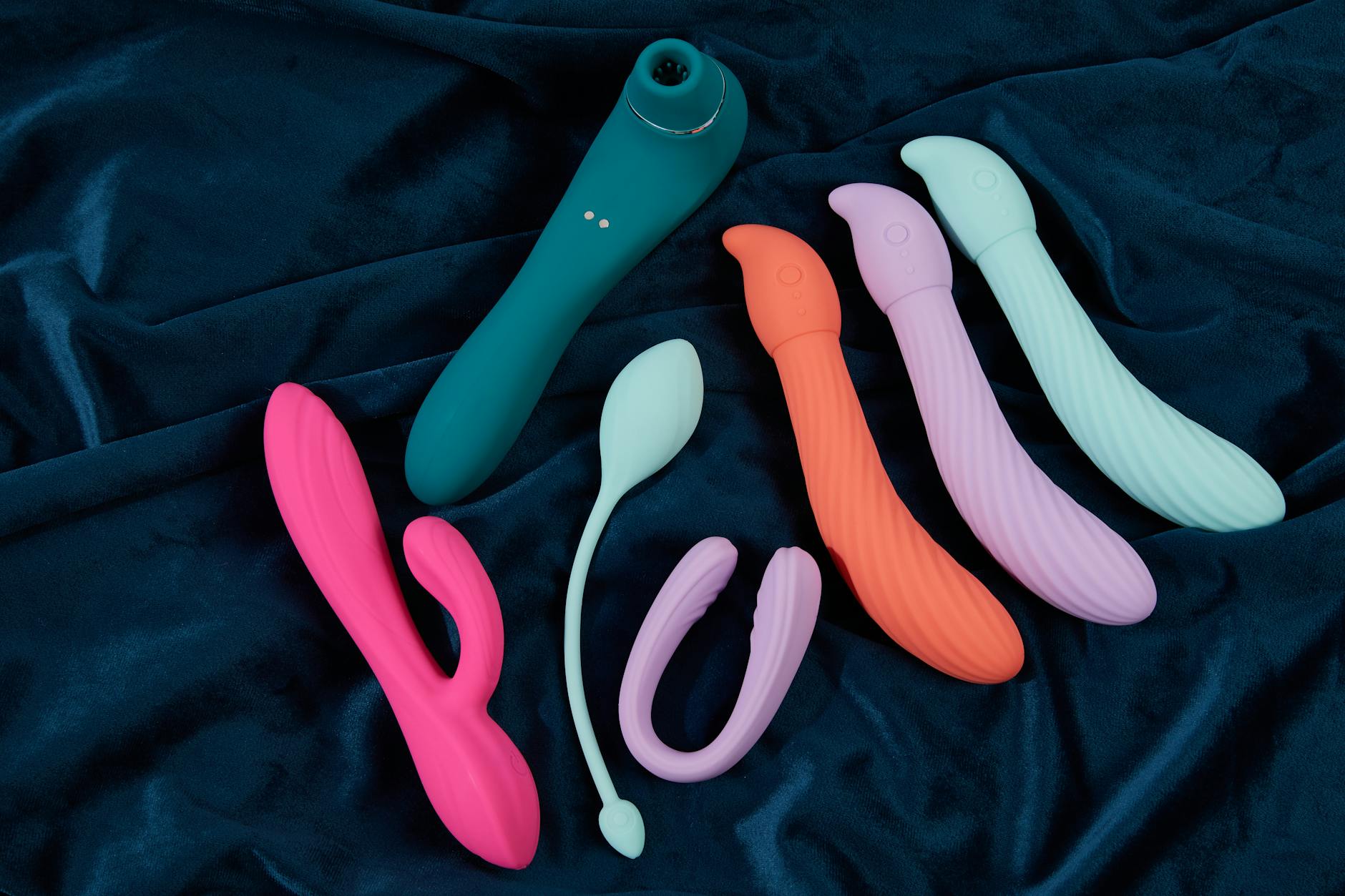
Photo by IFONNX Toys on Pexels
Which vibrators actually solve this
I'm going to be honest: high-speed bullet vibrators typically make numbness worse. They're designed for people with high nerve sensitivity, not low. You need something different.
Suction-based vibrators are the gold standard. A quality lemon clitoral vibrator uses gentle suction combined with pulsing. This mimics the sensation of oral sex, which stimulates more of the clitoral nerve network. It's not brute force. It's intelligence.
Why does this work? Because suction creates rhythmic pressure changes rather than constant vibration. Your nervous system wakes up to novelty. After weeks of numbness, a suction vibrator feels like a completely new sensation, which is exactly what you need to reset the adaptation.
Air-pulse technology. Some vibrators use rapid air pulses instead of traditional vibration. These work similarly to suction and are gentler on desensitized tissue. They're excellent if you're dealing with numbness from medication or hormonal changes.
Variable-intensity wand vibrators with pattern modes. If you want something broader, a wand with 5+ pattern options beats a simple on-off bullet every time. The variety keeps your nervous system engaged. Start at patterns 1 or 2, skip the high-intensity settings, and rotate between patterns rather than staying on one.
Toys with external and internal options. Sometimes the clitoris isn't numb, but the surrounding tissue is. A vibrator that lets you stimulate the vulva, entry, or inside the vagina gives you more range. Hello Nancy's lemon suction vibrator works this way because you can angle it to hit different spots.
The reset protocol that actually works
Once you switch vibrators, you need to change your using pattern too. Otherwise, you'll just recreate the same numbness with a new toy.
Take a week off. Yes, really. Stop using vibrators for five to seven days. Let your nerve endings recover. This isn't punishment; it's reset.
Start with short sessions. Five to ten minutes maximum. Your goal is sensation, not orgasm. Notice what you feel. If it takes longer than usual to come, that's fine. You're recalibrating.
Rotate your toys. If you use the same vibrator three days in a row, your nerves adapt again. Alternate between two or three different stimulation types. One day suction. Next day patterns. Then nothing, just manual touch.
Use lubrication generously. More lube means less friction and less pressure needed. This reduces tissue compression and helps blood flow. Water-based is standard and works with any toy.
Avoid death grip during sessions. Tensing your thighs and core actually cuts blood flow to the clitoris. Weird, right? But real. Try using your vibrator while relaxing your legs. You might feel things you've been missing.
When to see a doctor
If numbness appeared suddenly and you can't trace it to a new vibrator or medication, get it checked. Sudden loss of sensation can point to nerve issues, hormonal shifts that need attention, or other health things worth knowing about.
Also talk to a provider if numbness comes with pain, unusual discharge, or if it's accompanied by numbness elsewhere in your body. That's a sign of something systemic, not just vibrator fatigue.
Since I work with couples, I also want to flag this: sometimes numbness during partnered sex is about anxiety or disconnection, not sensation. If you're numb with a partner but fine alone, that's a different conversation. That's about emotional safety and intimacy, not vibrators. Those issues need attention too.
The secret about getting sensitivity back
You don't actually lose the capacity for sensation. You just lose access to it temporarily. Switching to the right tool, rotating your approach, and giving your nervous system a rest period almost always brings things back.
Most women I work with report that within three to four weeks of using a different vibrator pattern and taking breaks, their sensitivity returns. Some say it's better than before because they're paying more attention to what actually feels good instead of defaulting to what's always worked.
Your pleasure matters. It deserves attention. And numbness is fixable.
Frequently asked questions
Can I use a regular vibrator if I have numbness?
You can, but it probably won't help. High-intensity constant vibration is usually what created the numbness in the first place. Suction vibrators, pattern-based toys, and air-pulse technology are your better bet because they stimulate differently.
How long does it take for sensitivity to come back?
Three to four weeks if you're consistent about switching vibrators and taking breaks. Some women feel improvement within days once they start using a lemon clitoral vibrator or air-pulse toy because the sensation is so different from what numbed them out.
Is numbness a sign I'm using the vibrator wrong?
Sometimes, yes. If you're using the same vibrator at maximum intensity for 20+ minutes, that's likely the issue. But numbness can also be hormonal, medication-related, or just nerve fatigue. Usually it's a combination. A vibrator switch plus a usage reset solves most cases.
Can I use a lemon vibrator for numbness even if I've never used one before?
Absolutely. Lemon suction vibrators are actually ideal for people dealing with numbness because they work on a completely different principle than traditional vibrators. Start at the lowest intensity and experiment with the seal and angle. You might feel things you haven't in years.
What if I switch vibrators and still feel numb?
Give it at least two weeks. Your nervous system needs time to adapt to the new sensation. If nothing changes after four weeks, talk to a doctor. Persistent numbness sometimes points to hormonal shifts, medication side effects, or nerve compression that needs professional attention.
Should I tell my partner about this?
If you're having sex with them, yes. Not as confession but as information. "I've noticed I'm having trouble with sensation, so I'm trying something different" is enough. If your partner is interested, you can explore together. If not, this is about you reclaiming your pleasure, and that's valid on its own.
Next steps
Figure out whether your numbness is about the vibrator itself, your usage pattern, or something else. Then swap your tool and reset your routine. Most of the time, that's all it takes.
If you want guidance on which vibrator might work best for your body or situation, reach out. That's what we're here for.
Your sensitivity is not gone. It's just waiting for the right approach to wake it back up.